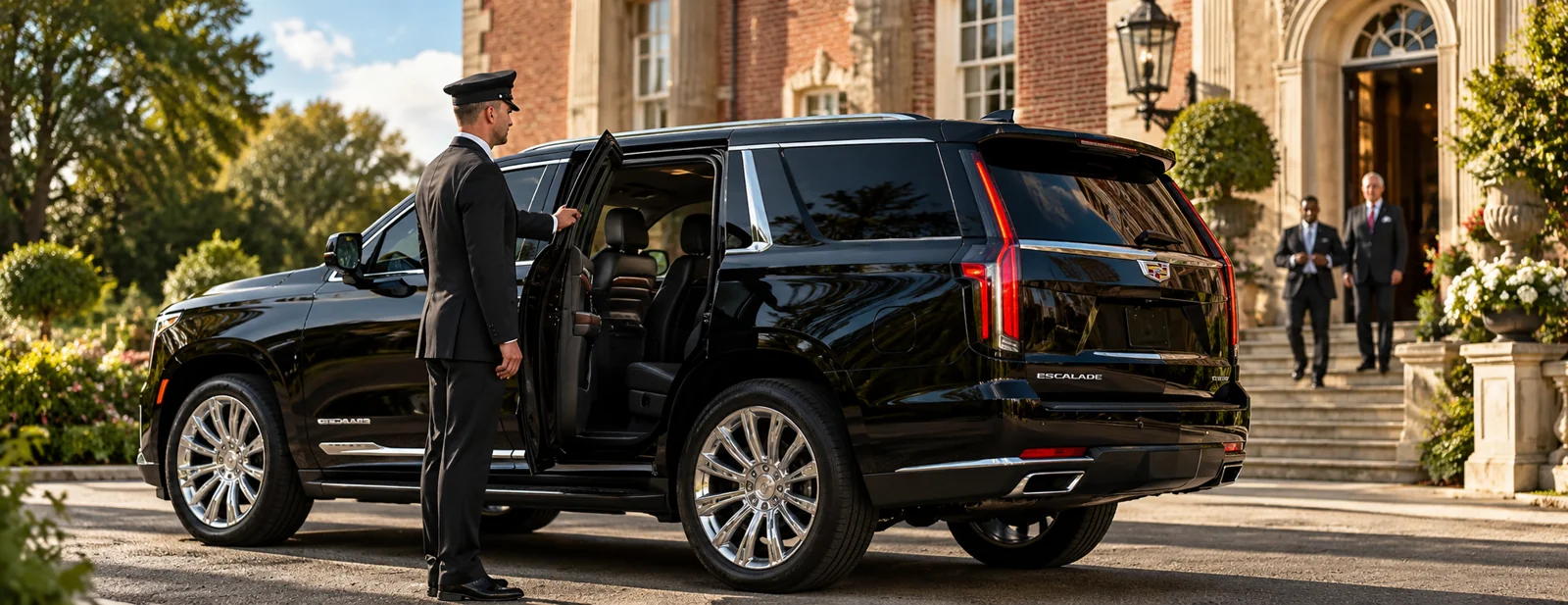

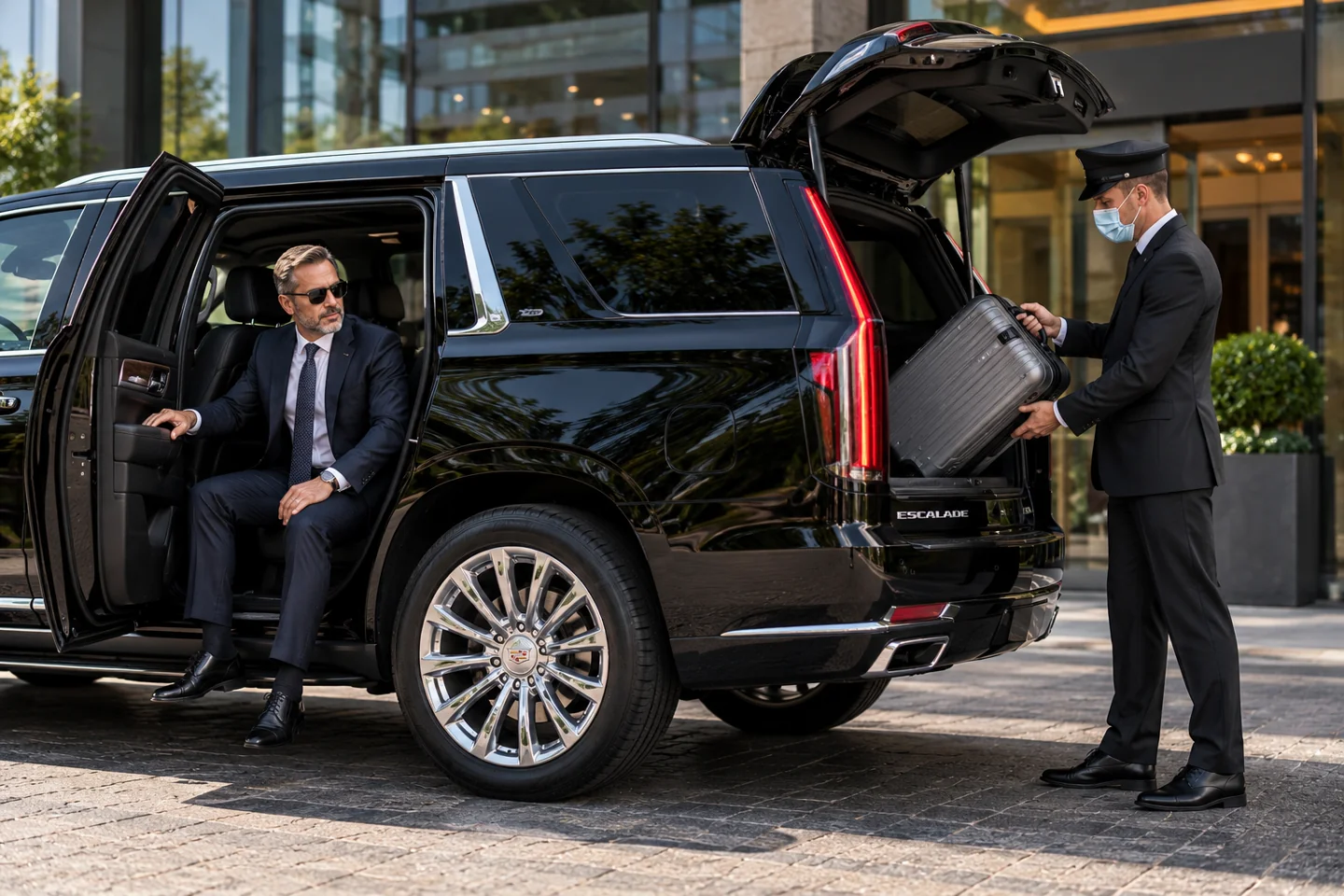
Reliable event planning begins with accurate details. A transport request should describe the passengers, addresses and schedule, including any access requirements supplied by the venue. The team can then review what is available for that itinerary.
Traffic and arrival deadlines
Tell the team when guests need to reach the event, not just when you prefer to depart. Include every collection and the expected time to board. Traffic and temporary access restrictions may change the journey, so discuss the specific route and day.
Venue access and loading
Confirm the vehicle entrance, drop-off point and return meeting place with the venue. Do not assume parking or a loading space is reserved. Share relevant instructions with both the team and your passengers.
Passengers, luggage and equipment
Give counts for each leg and describe the bags or equipment. Compare the current chauffeur fleet and confirm the proposed vehicle fit. A bus, spare vehicle or other arrangement is not established as available by this planning article.
Service requirements
Ask the provider about its operating details and any documentation needed for the booking. Tell the team about assistance or child-seat requests in advance. Review specific requirements instead of relying on a broad certification claim.
Changes and contingency communication
Agree who can approve a revised pickup and how the team should be contacted if an event runs late. Ask how a vehicle issue would be handled and whether a proposed alternative is available. An extension or substitute should not be assumed.
Complete the itinerary
The group transport checklist and event guide can help organize the request. Confirm the quote, waiting and return arrangements before booking. Planning supports coordination but cannot guarantee a delay-free event.
To discuss availability and pricing, request a quote or contact our team. A booking is confirmed after the arrangements and terms have been agreed.